Product Design
SlumberShip
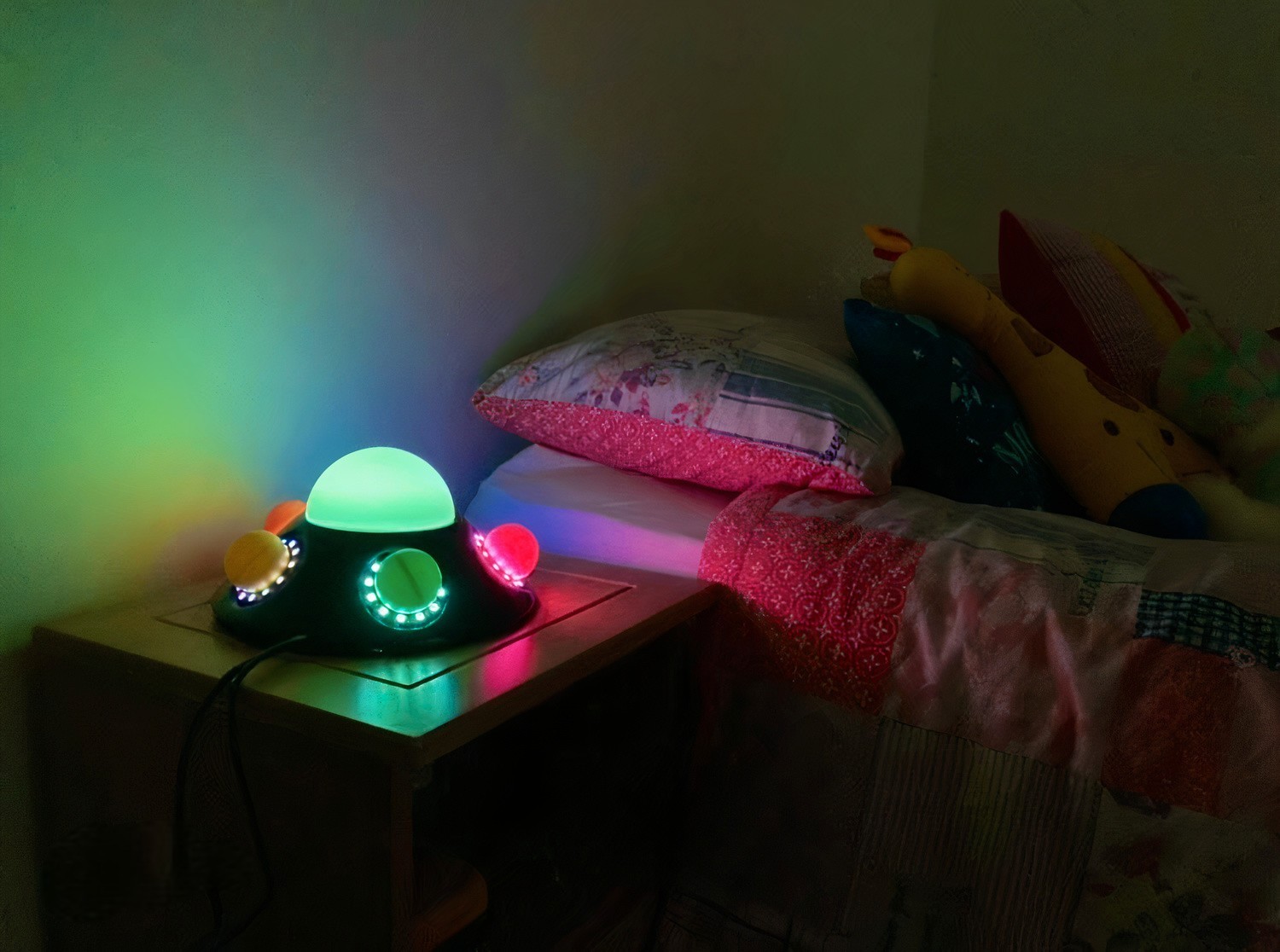
SlumberShip is an award winning interactive bedtime product for young children designed to help them build a consistent, calming nighttime routine.
Year :
2023
Industry :
Early Childhood / Behavioural Design
Client :
Postgraduate
Project Duration :
3 weeks
Problem :
Bedtime can be a stressful and inconsistent part of the day for both children and parents. Many existing products use screens, lights or playful interactions, which can sometimes make it harder for children to settle down.
Through interviews with parents and co-creation sessions with children, we identified two main challenges:
Bedtime routines were difficult to establish and maintain
Existing products could be too stimulating when children needed to wind down
This led us to explore how a calmer, more predictable experience could help children move through their bedtime routine.
Research :
We looked at bedtime from both the child and parent perspective, focusing on the challenges families experience when building a consistent bedtime routine.
Our research included:
Parent interviews to understand real bedtime routines, challenges and expectations.
Co-creation workshops with children to explore how they respond to routines, play and physical interaction.
Research into existing bedtime and sleep-support products to identify what worked well and where there were opportunities to improve.
What we learned:
Children engaged more readily with physical interaction than simply being told what to do.
Parents valued consistency and predictability, rather than products that were overly novel or entertaining.
Products that were too stimulating could keep children engaged instead of helping them wind down for sleep.
These insights shaped our design approach, leading us towards an experience that was simple, repetitive and calming, while giving children an active role in their bedtime routine.
Solution :
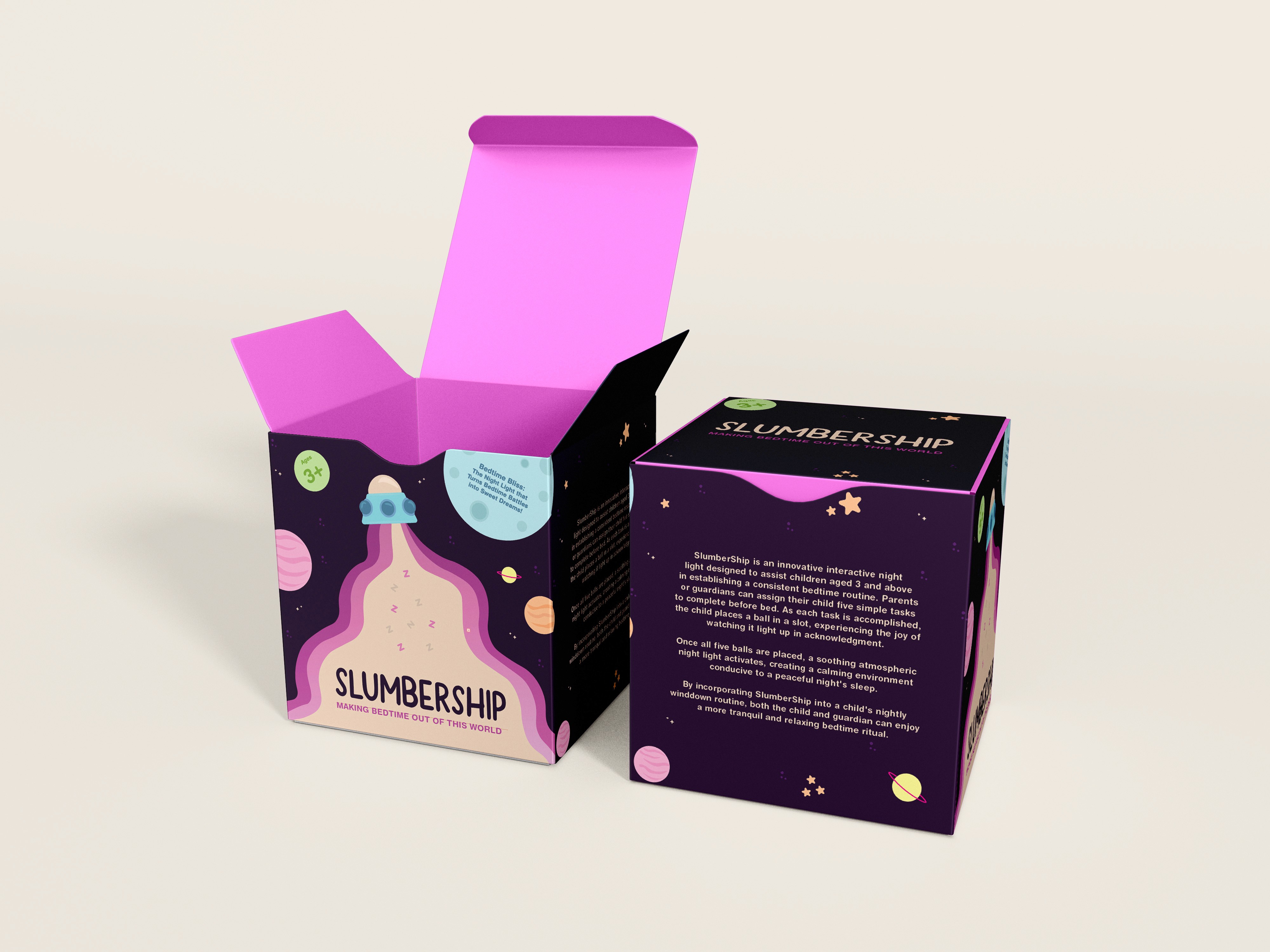
SlumberShip is an interactive night light designed to help children build a more consistent bedtime routine.
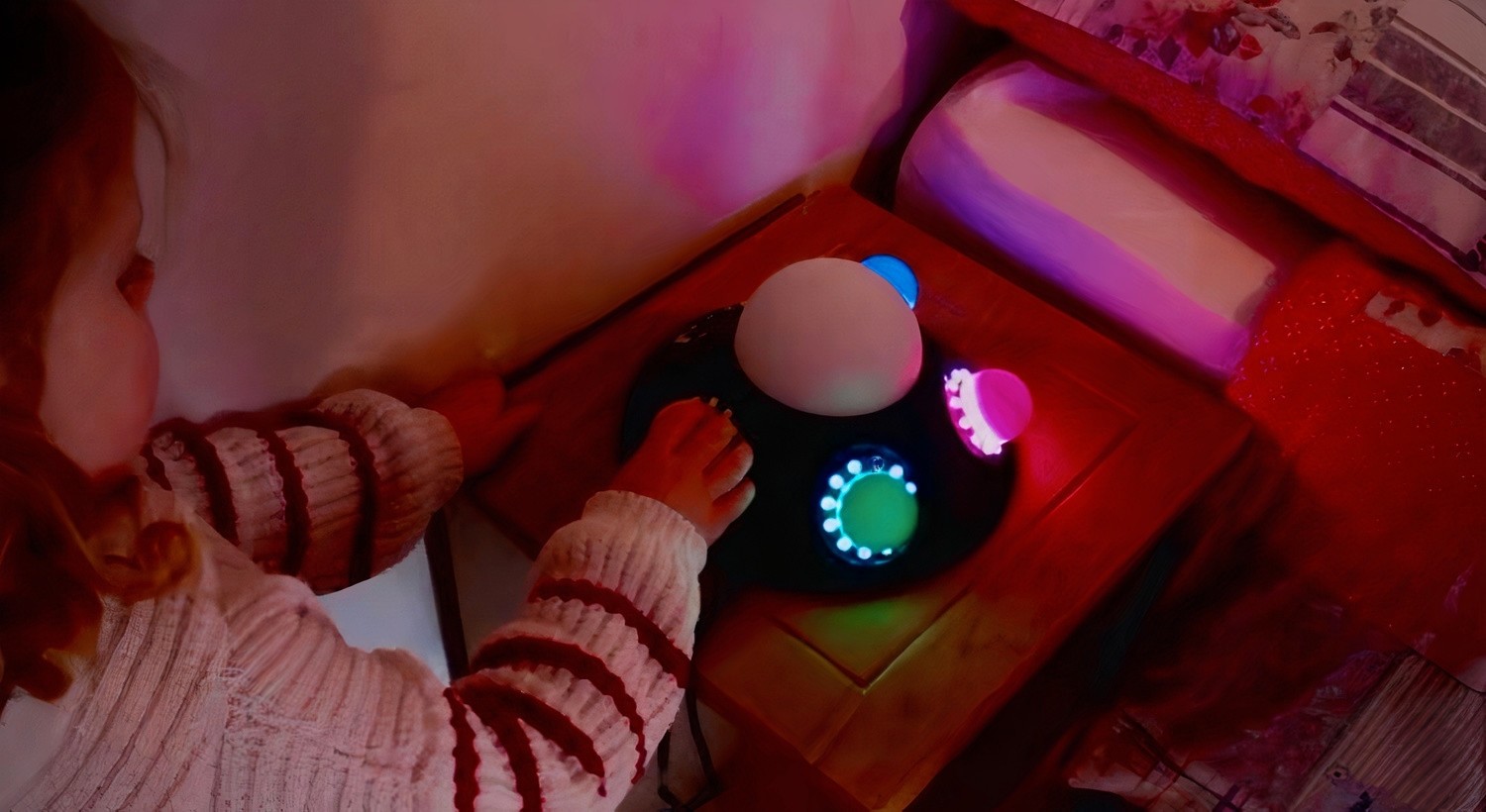
The product uses five physical balls, with each ball representing a step in the routine. As the child completes each task, they place the corresponding ball into SlumberShip, which responds with a soft light.
Once all five steps are complete, the product changes into a calming night light, signalling that the routine is finished and it’s time for sleep.
By making each step physical and visible, SlumberShip helps children take an active role in their bedtime routine, while giving them a simple and repeatable way to know what comes next.
Challenge :
One of the biggest challenges was finding the right balance between making SlumberShip engaging without making it too stimulating.
Early on, there was a temptation to add more features and interactions to make the product more exciting. However, our research suggested that too much interaction could work against the purpose of the product by keeping children engaged when they should be winding down.
This meant we focused on:
Simplicity rather than adding unnecessary features
Calm interactions rather than entertainment
Reinforcing the routine rather than introducing novelty
Through prototyping and testing, we found that keeping the interaction simple made the experience clearer for children while better supporting the calm atmosphere we wanted to create.

Constraints :
The project was developed over three weeks, so we had to move quickly from ideas into something we could test.
We were also working with a few practical limitations:
Limited time for ideation, prototyping and testing
Physical manufacturing constraints when creating early models
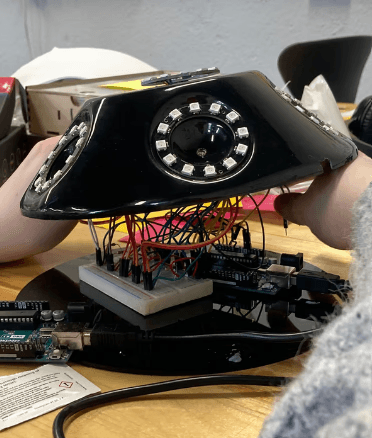
Balancing the concept with a working Arduino-based interaction
These constraints pushed us to keep the product focused. Rather than trying to build lots of different features, we concentrated on one clear interaction that could be prototyped, tested and refined within the timeframe.
Outcome :
SlumberShip was awarded Winner in both Product Design and Collaboration Design at the 2023 IDI Graduate Awards.
Testing and evaluation showed that:
Children were able to complete the routine independently using the interaction system.
Parents found the steps clear and easy to follow.
The interaction helped create a calmer transition towards bedtime.
The project showed how a simple physical interaction can make a bedtime routine easier to understand and follow, while giving children more independence throughout the process.
More Projects




Award Winner
Read
Product Design
SlumberShip
SlumberShip is an award winning interactive bedtime product for young children designed to help them build a consistent, calming nighttime routine.
Year :
2023
Industry :
Early Childhood / Behavioural Design
Client :
Postgraduate
Project Duration :
3 weeks
Problem :
Bedtime can be a stressful and inconsistent part of the day for both children and parents. Many existing products use screens, lights or playful interactions, which can sometimes make it harder for children to settle down.
Through interviews with parents and co-creation sessions with children, we identified two main challenges:
Bedtime routines were difficult to establish and maintain
Existing products could be too stimulating when children needed to wind down
This led us to explore how a calmer, more predictable experience could help children move through their bedtime routine.
Research :
We looked at bedtime from both the child and parent perspective, focusing on the challenges families experience when building a consistent bedtime routine.
Our research included:
Parent interviews to understand real bedtime routines, challenges and expectations.
Co-creation workshops with children to explore how they respond to routines, play and physical interaction.
Research into existing bedtime and sleep-support products to identify what worked well and where there were opportunities to improve.
What we learned:
Children engaged more readily with physical interaction than simply being told what to do.
Parents valued consistency and predictability, rather than products that were overly novel or entertaining.
Products that were too stimulating could keep children engaged instead of helping them wind down for sleep.
These insights shaped our design approach, leading us towards an experience that was simple, repetitive and calming, while giving children an active role in their bedtime routine.
Solution :
SlumberShip is an interactive night light designed to help children build a more consistent bedtime routine.
The product uses five physical balls, with each ball representing a step in the routine. As the child completes each task, they place the corresponding ball into SlumberShip, which responds with a soft light.
Once all five steps are complete, the product changes into a calming night light, signalling that the routine is finished and it’s time for sleep.
By making each step physical and visible, SlumberShip helps children take an active role in their bedtime routine, while giving them a simple and repeatable way to know what comes next.
Challenge :
One of the biggest challenges was finding the right balance between making SlumberShip engaging without making it too stimulating.
Early on, there was a temptation to add more features and interactions to make the product more exciting. However, our research suggested that too much interaction could work against the purpose of the product by keeping children engaged when they should be winding down.
This meant we focused on:
Simplicity rather than adding unnecessary features
Calm interactions rather than entertainment
Reinforcing the routine rather than introducing novelty
Through prototyping and testing, we found that keeping the interaction simple made the experience clearer for children while better supporting the calm atmosphere we wanted to create.
Constraints :
The project was developed over three weeks, so we had to move quickly from ideas into something we could test.
We were also working with a few practical limitations:
Limited time for ideation, prototyping and testing
Physical manufacturing constraints when creating early models
Balancing the concept with a working Arduino-based interaction
These constraints pushed us to keep the product focused. Rather than trying to build lots of different features, we concentrated on one clear interaction that could be prototyped, tested and refined within the timeframe.
Outcome :
SlumberShip was awarded Winner in both Product Design and Collaboration Design at the 2023 IDI Graduate Awards.
Testing and evaluation showed that:
Children were able to complete the routine independently using the interaction system.
Parents found the steps clear and easy to follow.
The interaction helped create a calmer transition towards bedtime.
The project showed how a simple physical interaction can make a bedtime routine easier to understand and follow, while giving children more independence throughout the process.
More Projects
Award Winner
Read
Product Design
SlumberShip
SlumberShip is an award winning interactive bedtime product for young children designed to help them build a consistent, calming nighttime routine.
Year :
2023
Industry :
Early Childhood / Behavioural Design
Client :
Postgraduate
Project Duration :
3 weeks
Problem :
Bedtime can be a stressful and inconsistent part of the day for both children and parents. Many existing products use screens, lights or playful interactions, which can sometimes make it harder for children to settle down.
Through interviews with parents and co-creation sessions with children, we identified two main challenges:
Bedtime routines were difficult to establish and maintain
Existing products could be too stimulating when children needed to wind down
This led us to explore how a calmer, more predictable experience could help children move through their bedtime routine.
Research :
We looked at bedtime from both the child and parent perspective, focusing on the challenges families experience when building a consistent bedtime routine.
Our research included:
Parent interviews to understand real bedtime routines, challenges and expectations.
Co-creation workshops with children to explore how they respond to routines, play and physical interaction.
Research into existing bedtime and sleep-support products to identify what worked well and where there were opportunities to improve.
What we learned:
Children engaged more readily with physical interaction than simply being told what to do.
Parents valued consistency and predictability, rather than products that were overly novel or entertaining.
Products that were too stimulating could keep children engaged instead of helping them wind down for sleep.
These insights shaped our design approach, leading us towards an experience that was simple, repetitive and calming, while giving children an active role in their bedtime routine.
Solution :
SlumberShip is an interactive night light designed to help children build a more consistent bedtime routine.
The product uses five physical balls, with each ball representing a step in the routine. As the child completes each task, they place the corresponding ball into SlumberShip, which responds with a soft light.
Once all five steps are complete, the product changes into a calming night light, signalling that the routine is finished and it’s time for sleep.
By making each step physical and visible, SlumberShip helps children take an active role in their bedtime routine, while giving them a simple and repeatable way to know what comes next.
Challenge :
One of the biggest challenges was finding the right balance between making SlumberShip engaging without making it too stimulating.
Early on, there was a temptation to add more features and interactions to make the product more exciting. However, our research suggested that too much interaction could work against the purpose of the product by keeping children engaged when they should be winding down.
This meant we focused on:
Simplicity rather than adding unnecessary features
Calm interactions rather than entertainment
Reinforcing the routine rather than introducing novelty
Through prototyping and testing, we found that keeping the interaction simple made the experience clearer for children while better supporting the calm atmosphere we wanted to create.
Constraints :
The project was developed over three weeks, so we had to move quickly from ideas into something we could test.
We were also working with a few practical limitations:
Limited time for ideation, prototyping and testing
Physical manufacturing constraints when creating early models
Balancing the concept with a working Arduino-based interaction
These constraints pushed us to keep the product focused. Rather than trying to build lots of different features, we concentrated on one clear interaction that could be prototyped, tested and refined within the timeframe.
Outcome :
SlumberShip was awarded Winner in both Product Design and Collaboration Design at the 2023 IDI Graduate Awards.
Testing and evaluation showed that:
Children were able to complete the routine independently using the interaction system.
Parents found the steps clear and easy to follow.
The interaction helped create a calmer transition towards bedtime.
The project showed how a simple physical interaction can make a bedtime routine easier to understand and follow, while giving children more independence throughout the process.
More Projects
Award Winner
Read